Every bathroom mold scenario covered with the right diagnostic workflow first.
🔍
Bathroom Mold Investigation & Source Identification
Before any tile comes off or drywall opens, our Glen Rock, PA bathroom mold specialists perform a systematic investigation: moisture meter readings at all suspect zones (shower walls, floor at shower pan perimeter, toilet base, under-sink cabinet), borescope inspection of wall cavities through access points, exhaust fan CFM measurement, and visual assessment of grout and caulk integrity. Written findings before scope is proposed.
🚿
Shower & Tub Surround Mold Remediation
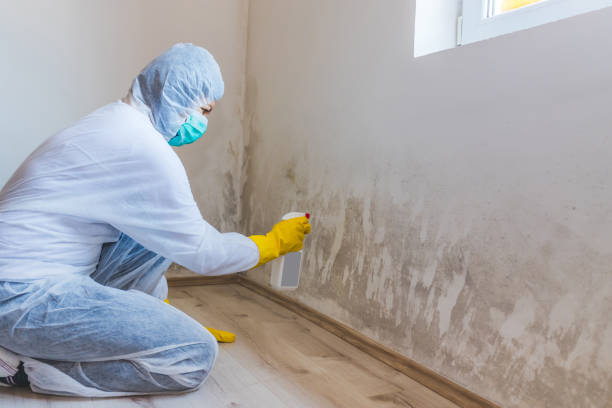
Mold in shower and tub surrounds is most commonly found in one of three locations: surface grout and caulk (visible, usually Aspergillus or Cladosporium); behind tile on the CBU or drywall backer (typically from grout failure allowing water infiltration); or in the wall cavity behind the shower from a failed pan liner or cracked pan. Each requires a different approach — our Glen Rock specialists assess which applies before proposing removal scope.
💧
Subfloor Mold Removal — Toilet Leaks & Shower Pan Failure
A slow toilet wax ring leak or cracked shower pan can saturate subfloor material for months before any visible symptoms appear above the surface. By the time vinyl or tile shows staining or soft spots, the subfloor below often has significant mold growth. Our Glen Rock, PA team removes contaminated subfloor sections, treats remaining structural material, and specifies the appropriate replacement — SBC, CPP, or cement backer depending on application.
🔢
Exhaust Fan Assessment & Upgrade Recommendation
Inadequate bathroom exhaust fan CFM is a primary cause of chronic bathroom mold on drywall and ceiling surfaces in Glen Rock, PA homes. We measure existing fan output, compare against HVI recommended CFM for your bathroom square footage, and specify an appropriate replacement if the existing fan is undersized — a simple correction that dramatically changes long-term mold risk.
🌟
Ceiling Mold — Condensation & Leak Sources
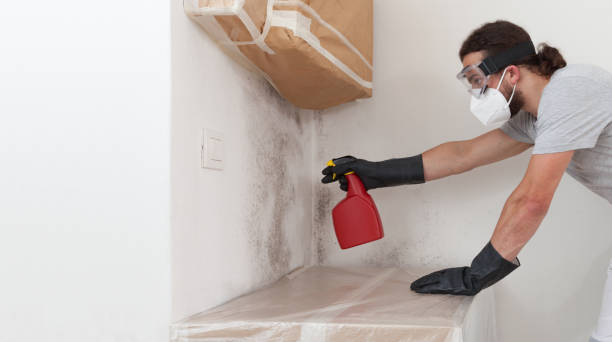
Ceiling mold pattern tells us whether the source is condensation (inadequate fan, widespread pattern) or above-floor drip (concentrated, traces plumbing). Different cause, different remediation approach. We diagnose before treating.
📄
Post-Remediation Clearance & Documentation
Independent post-removal air sampling before any reinstallation begins. Written clearance report confirms the mold is gone before new materials go in.